Ngorongoro Crater
Tanzania
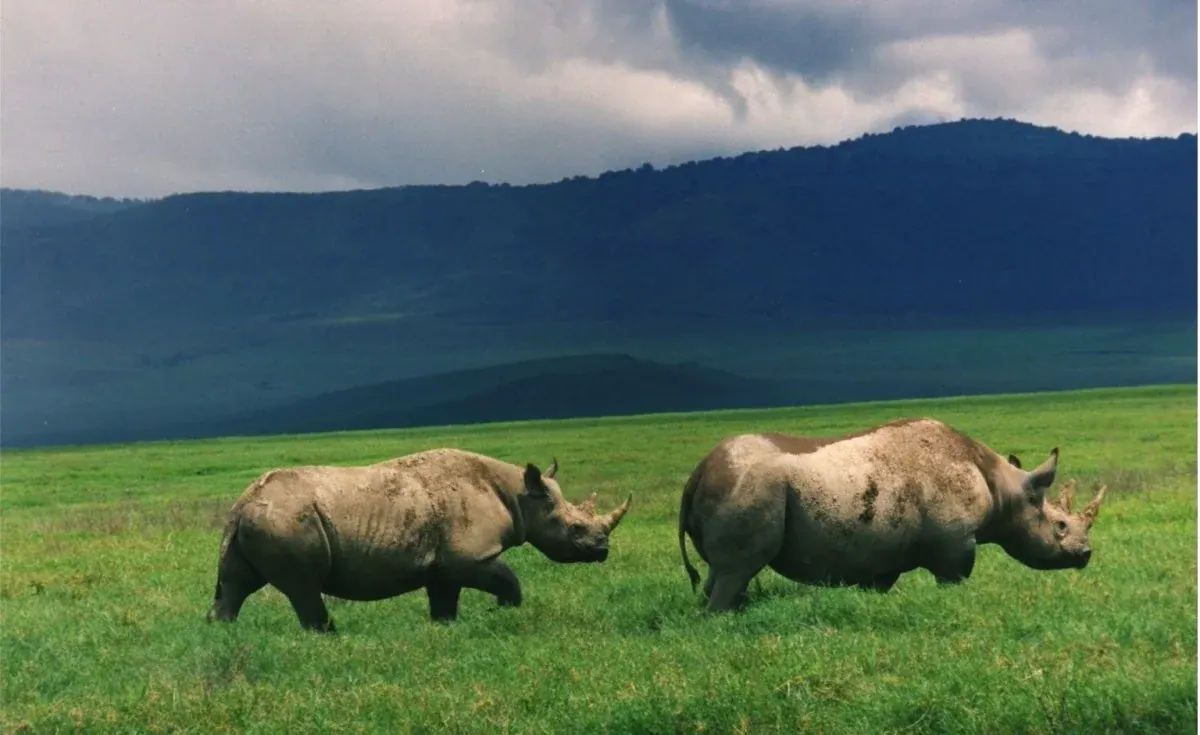
Ngorongoro Crater is a huge volcanic caldera with steep walls and a grassy floor that holds a dense population of wildlife. A single day on the crater floor can include lions, elephants, hippos and, with luck, black rhino.
- Location
- Arusha Region, northern Tanzania
- Best time
- All year, Jun to Oct is driest
- Known for
- A wildlife-filled volcanic caldera
Wildlife & Animals
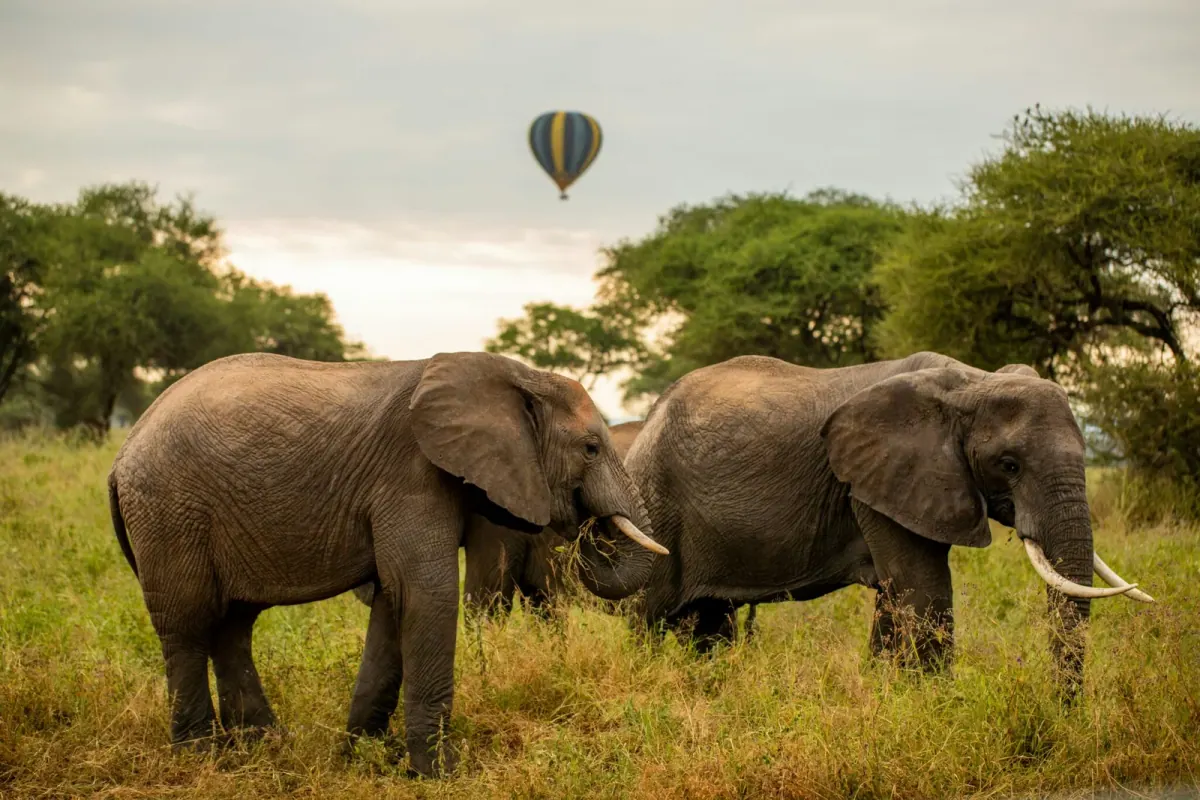
The crater floor is home to lions, hyenas, buffalo, zebra, wildebeest, hippos and elephants, including large bull elephants. It is one of the best places in Tanzania to look for the critically endangered black rhino.
Animals stay in the crater all year, so sightings are reliable in any season. Vehicles descend on a steep road and spend the morning on the floor before returning to the rim.
Birds
Flamingos often gather at Lake Magadi on the crater floor, along with ostriches, crowned cranes, kori bustards and many raptors. The wider conservation area has more than 500 bird species.
Best Time To Visit
Ngorongoro can be visited all year. The dry months from June to October give the clearest tracks and the easiest game viewing. The long rains in April and May can leave the roads muddy but the crater is green and quiet.
Weather & Climate
The crater rim sits at about 2,300 metres, so mornings and evenings are cold even in the dry season, while the floor is warmer. Bring a warm jacket for the early descent.
Getting There
Ngorongoro is about three to four hours by road from Arusha, usually after a stop at Lake Manyara or Karatu. It is a natural link between Tarangire, Manyara and the Serengeti on a Northern Circuit safari.
Photos