Serengeti National Park
Tanzania
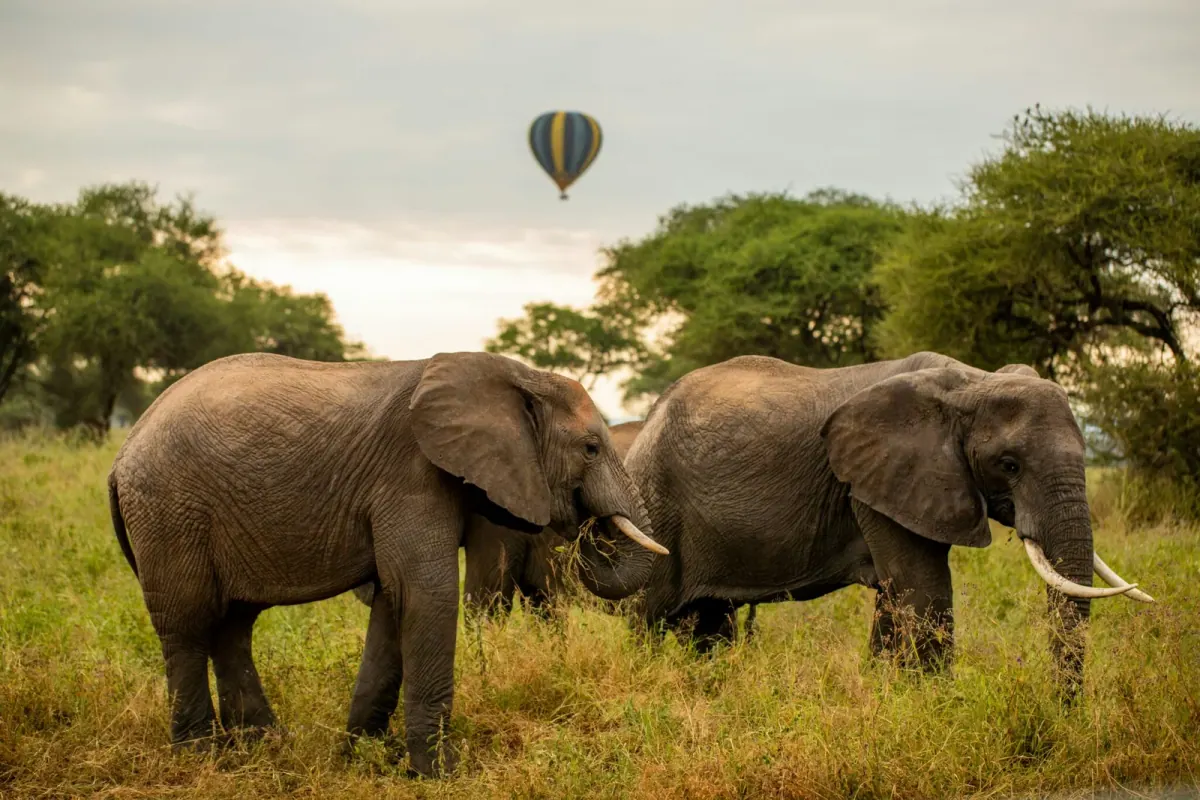
Serengeti National Park is Tanzania's best known wildlife park. Endless grass plains, kopjes and river woodland hold lions, leopards, cheetahs, elephants and huge herds of wildebeest and zebra.
- Location
- Mara and Simiyu regions, northern Tanzania
- Best time
- Jun to Oct, and Jan to Mar for calving
- Known for
- The Great Migration and big cats
Wildlife & Animals
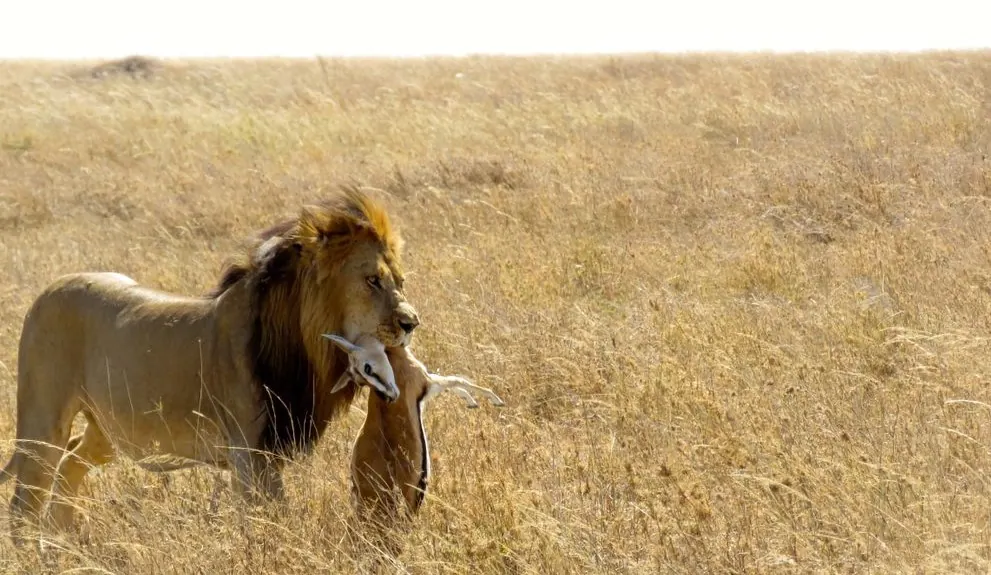
Serengeti is one of the few places where you can see the Big Five in a single trip. Lions rest on rock outcrops called kopjes, cheetahs hunt on the open plains and leopards hide in the acacia trees along the rivers.
More than a million wildebeest and hundreds of thousands of zebra and gazelle follow the rains in a circular movement through the park and into Kenya's Maasai Mara. Where they are depends on the month.
Birds
The park has more than 500 recorded bird species. Look for ostriches, secretary birds, kori bustards, lilac-breasted rollers and colourful starlings, with many migrant species arriving from November to April.
Best Time To Visit
Game viewing is good all year, but the dry season from June to October is the easiest time to see animals around rivers and waterholes. Herds are usually in the northern Serengeti from July to October, and the southern plains near Ndutu are busy with calving from about January to March.
The long rains in April and May bring green landscapes, fewer vehicles and lower prices at many lodges.
Weather & Climate
Days are warm and nights can be cool, especially at altitude. The main rains fall from March to May, with shorter showers around November and December. Pack layers for early game drives.
Getting There
Most visitors drive from Arusha via Ngorongoro, which takes a full day, or fly from Arusha, Kilimanjaro or Zanzibar to one of the airstrips inside the park such as Seronera. Flying saves time and lets you stay in the northern or western areas.
Photos